

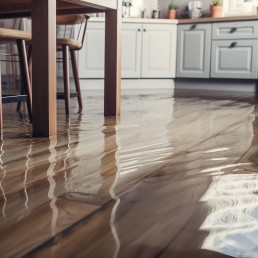
Not every plumbing problem needs an emergency call-out. A slowly dripping tap is annoying, but it can wait until a scheduled appointment. A burst pipe flooding your kitchen cannot. Knowing the difference saves you money and helps you act quickly when it matters.
What counts as a plumbing emergency?
Call an emergency plumber if you are dealing with any of the following:
- Burst pipes — water gushing from a pipe, wall, or ceiling. This can cause structural damage within minutes.
- Major water leaks — any leak you cannot stop by turning off a tap or isolation valve.
- No hot water in winter — especially if you have young children, elderly residents, or medical needs.
- Gas leaks — if you smell gas, leave the property immediately, do not use electrical switches, and call your gas distributor or a licensed gasfitter.
- Sewage backup — sewage coming up through drains, toilets, or floor wastes is a health hazard and needs immediate attention.
- Flooding from blocked drains — when water is actively entering your home from a blocked drain.
What can wait for a standard appointment?
These are genuine plumbing issues, but they are not emergencies:
- A dripping tap (wastes water but is not causing immediate damage)
- A running toilet (the cistern refills constantly but is not overflowing)
- Low water pressure (inconvenient but not urgent)
- A slow drain (still clearing, just taking longer than usual)
- Minor leaks under a sink (place a bucket underneath and call during business hours)
What to do while you wait for the plumber
If you have a genuine emergency, take these steps to minimise damage:
- Turn off the main water supply. The shut-off valve is usually at your water meter, near the front boundary of your property. Turn it clockwise to close.
- Turn off the hot water system. If the leak involves hot water, switch off the unit at the isolating valve or the power/gas supply.
- Contain the water. Use towels, buckets, and mops to limit water spread. Move valuables and electronics away from the affected area.
- Open taps to drain residual water. After turning off the main, open a tap at the lowest point in the house to drain remaining water from the pipes.
- Document the damage. Take photos for your insurance claim before you start cleaning up.
For gas leaks
Do not try to fix a gas leak yourself. If you smell gas:
- Do not turn on or off any electrical switches, lights, or appliances
- Open doors and windows if safe to do so
- Turn off the gas meter if you can access it safely
- Leave the property and call your gas distributor’s emergency line or a licensed gasfitter
How to find your water shut-off valve
Every household should know where the main water shut-off valve is before an emergency happens. In Melbourne, it is typically located at the water meter near the front of your property, close to the footpath. It is usually a round tap or a quarter-turn lever. Turn it clockwise to close.
Some properties also have internal isolation valves under sinks, behind toilets, and at hot water systems. These let you isolate individual fixtures without turning off the whole house.
Need an emergency plumber in Melbourne?
Suburban Gas and Plumbing provides emergency plumbing services 7 days a week, 8am to 8pm. Call us on 1300 544 887 and we will get a licensed plumber to your property as quickly as possible.